
curved glass panels
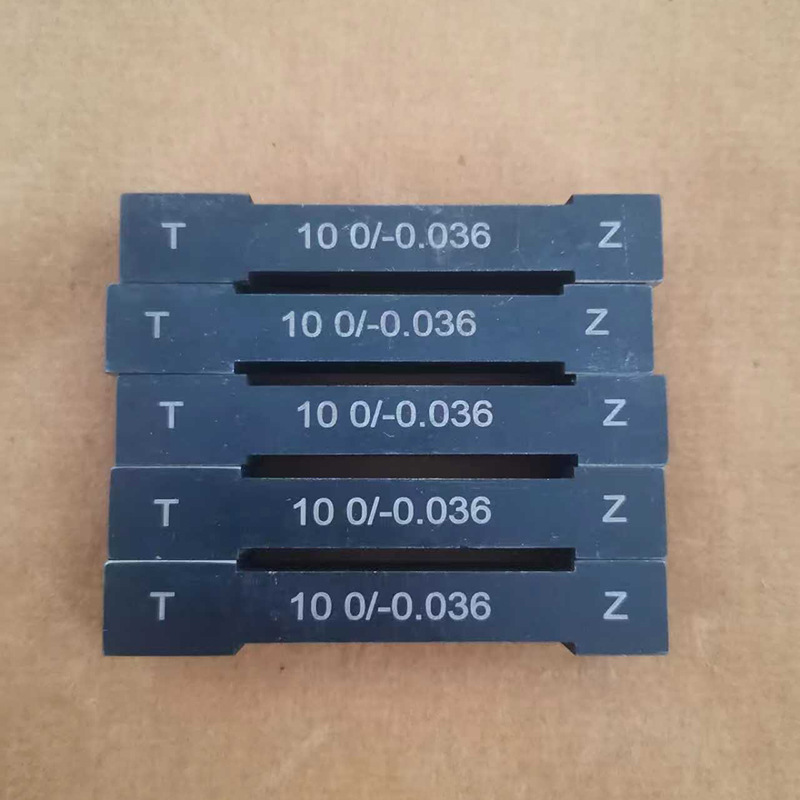
Thiết Kế Đồ Thị Spline Gauge Đồ thị Spline Gauge là một phần quan trọng trong ngành sản xuất và chế tạo, đặc biệt trong lĩnh vực gia công cơ khí và thiết kế sản phẩm. Nó chủ yếu được sử dụng để đo lường, định hình và kiểm soát chất lượng các bề mặt cong và phức tạp. Việc thiết kế đồ thị Spline Gauge cần phải tuân thủ nhiều nguyên tắc nhất định để đảm bảo độ chính xác và hiệu quả trong quá trình sản xuất. Khái Niệm Về Spline Gauge Spline Gauge, hay còn gọi là thước đo spline, là công cụ đo lường chuyên dụng được sử dụng để kiểm tra các bề mặt cong, bề mặt không phẳng hoặc những hình dạng phức tạp mà các thước đo thông thường không thể thực hiện được. Thiết kế của Spline Gauge thường bao gồm một loạt các spline (các đoạn cong hoặc đường cong) có hình dạng khác nhau, cho phép người sử dụng áp dụng vào nhiều loại hình dạng khác nhau của sản phẩm. Nguyên Tắc Thiết Kế Thiết kế Spline Gauge phải đảm bảo một số nguyên tắc cơ bản như 1. Độ Chính Xác Cao Spline Gauge cần có độ chính xác cao trong việc đo lường. Điều này yêu cầu các spline phải được gia công một cách tỉ mỉ với các vật liệu chịu mài mòn và có độ bền cao. spline gauge design 2. Dễ Sử Dụng Thiết kế cần phải thân thiện với người sử dụng, cho phép người sử dụng dễ dàng thao tác và kiểm tra các sản phẩm mà không gặp khó khăn. 3. Độ Bền và Tính Kháng Hóa Chất Công cụ phải được thiết kế để có thể hoạt động tốt trong nhiều điều kiện khác nhau, bao gồm cả môi trường có hóa chất mạnh. Điều này đảm bảo rằng Spline Gauge có thể được sử dụng trong các ngành công nghiệp khác nhau mà không bị hỏng hóc. 4. Khả Năng Tùy Biến Một Spline Gauge tốt cần có khả năng tùy biến theo yêu cầu đo lường cụ thể của từng sản phẩm. Điều này có nghĩa là nó nên có thể được điều chỉnh để phù hợp với các hình dạng và kích thước khác nhau. Ứng Dụng Trong Thực Tế Trong ngành công nghiệp ô tô, Spline Gauge thường được sử dụng để kiểm tra các linh kiện như bánh răng, trục và các bộ phận chuyển động khác. Trong ngành hàng không, nó có vai trò quan trọng trong việc đảm bảo các bộ phận phải đạt tiêu chuẩn an toàn và hiệu suất cao. Thậm chí, trong ngành chế tạo máy móc, Spline Gauge được sử dụng để đo các chi tiết có độ chính xác cao nhằm đảm bảo mọi kích thước và hình dạng đều đạt tiêu chuẩn. Kết Luận Thiết kế Spline Gauge không chỉ là một yếu tố quan trọng trong quy trình sản xuất mà còn là chìa khóa để nâng cao chất lượng sản phẩm. Bằng cách áp dụng các nguyên tắc thiết kế hợp lý, chúng ta có thể tạo ra những công cụ đo lường chính xác, góp phần vào sự phát triển bền vững của ngành công nghiệp sản xuất và chế tạo. Trong bối cảnh toàn cầu hóa và sự cạnh tranh ngày càng khốc liệt, việc đầu tư vào công nghệ và thiết kế Spline Gauge sẽ giúp doanh nghiệp nổi bật hơn trong ngành.
about
curved glass panels
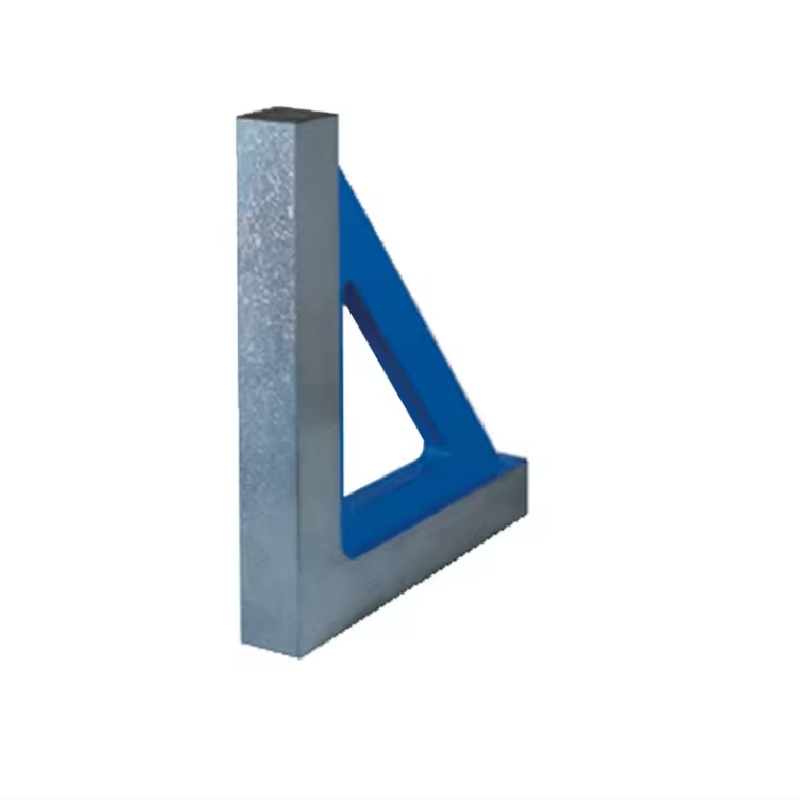
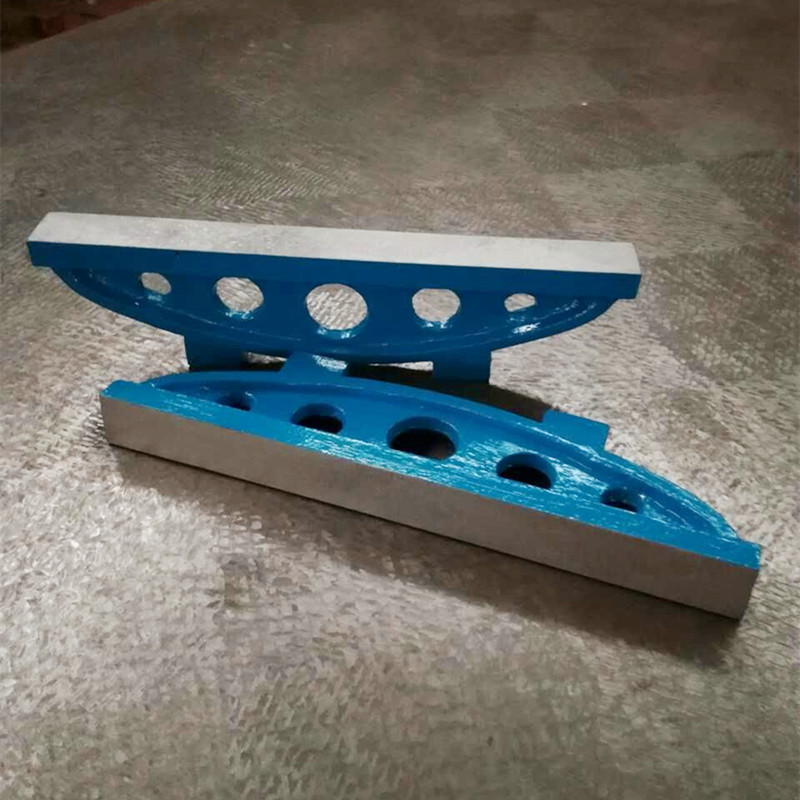
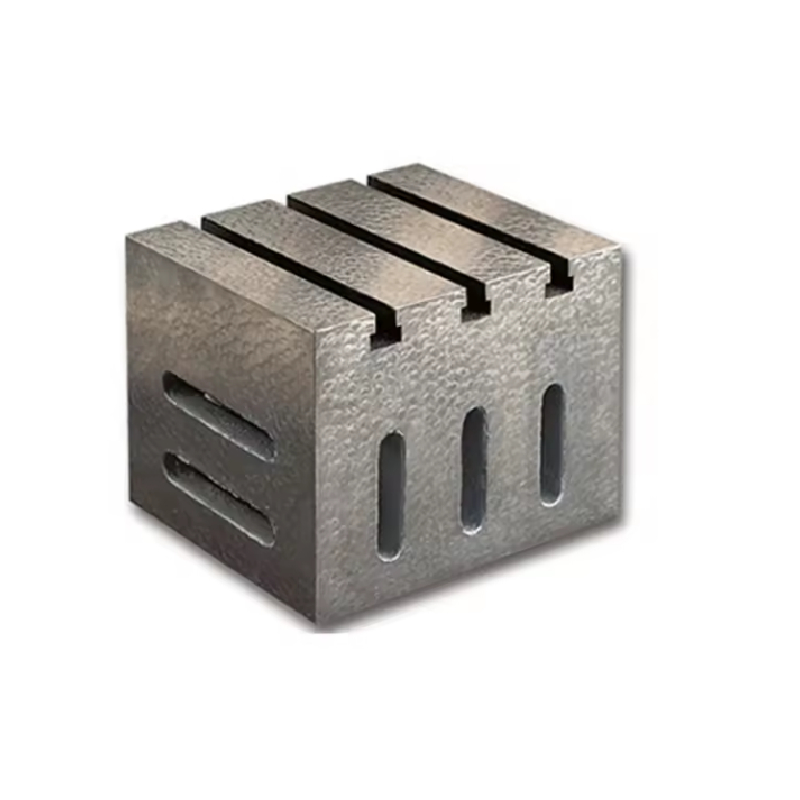
Why Angle Plates Still Matter in the Era of CNC and Granite If you’ve spent time on a shop floor, you know the ritual: blue dye, a master surface plate , and that moment of truth when contact tells all. Angle plates are the unsung companions in that dance. We’ve been putting STR’s Cast Iron Angle Plates through their paces, and, to be honest, they punch above their weight in fixture building and squareness checks. Industry Snapshot Trend-wise, we’re seeing three currents: 1) more shops pair cast-iron angle plates with granite surface plate s for hybrid metrology; 2) automation cells need rigid, repeatable fixturing; 3) traceable inspection—DIN/ASME-grade hardware, documented flatness/squareness, the works. Granite still rules for reference flatness, but well-made cast iron (properly aged and scraped) remains the practical fixture backbone. What the Product Is Product: Cast Iron Angle Plates from STR Machinery (Origin: No.17, Building 11, Hardware Building Material City, Botou, Cangzhou City, Hebei Province, China). Machined faces are square and parallel; used for fixture building and squareness/parallelism checks against a granite surface plate or as part of a tooling stack. Key Spec Typical Value (≈, real-world may vary) Material HT250 close-grained cast iron, pearlitic structure Hardness HB 170–240 Accuracy Grades DIN 875 Grade 0/1; squareness ≤0.02–0.05 mm/300 mm Flatness of faces Up to ≤5 μm/300 mm (Grade 0 reference) Surface finish Ra ≈1.6–3.2 μm (ground + hand-scraped pads) Stress relief Thermal anneal + artificial aging; optional natural aging Options T-slots, clamping holes, ribbing, lifting slots, custom sizes How They’re Made (short version) Casting HT250 → rough machining → thermal stress relief → semi-finish grinding → fine machining → scraping/contact spotting against certified granite surface plate → inspection with autocollimator and square masters → preservation coating. Service life? With sane loads and periodic oiling, 5–15 years isn’t unusual. Many customers say re-scraping after 5–7 years keeps them “like new.” Where They Get Used Toolroom setups on a granite surface plate Precision machining fixtures; vertical datum references Inspection of squareness/parallelism for prismatic parts Light welding jigs (when distortion control matters) Assembly cells for robotics/automation Quick data point: a 400×300×300 mm plate showed squareness error of 0.018 mm/300 mm in our trial; flatness mapped at 4.2 μm over 300 mm using a Grade 00 granite reference. Not lab-grade perfection, but very respectable. Vendor Comparison (at-a-glance) Vendor Origin Accuracy Certs Lead Time Customization STR Machinery Hebei, China DIN 875 Grade 0/1 (test sheet) ISO 9001 ≈15–30 days High (T-slots, ribbing, sizes) Vendor A (Granite focus) EU DIN 876 Grade 00 plates; angle plates limited ISO 17025 lab ≈20–45 days Medium Vendor B (General) US Grade 1 common ISO 9001 ≈10–35 days Medium–High (costly) Customization and QC STR will tailor T-slot spacing, face dimensions, bracing ribs, and lifting features. QC follows DIN 875 and references DIN 876 and ASME B89.3.7 for checks against a certified granite surface plate . Test artifacts: autocollimator, precision square, 0.001 mm indicators. A typical test sheet shows 20–30 contact points/25×25 mm pad after scraping—what you want for reliable clamping. Mini Case Study A robotics integrator needed a square, compact fixture to align gearbox housings during laser scanning. Two 500×400×400 mm STR plates with T-slots were paired back-to-back on a Grade 00 granite surface plate . Result: cycle time dropped ≈12% because parts located faster; squareness Cpk improved from 1.23 to 1.67 over three weeks. Anecdotal? Sure, but consistent with what others report. Final Thoughts Granite for reference, cast iron for doing—the old combo still works. And these angle plates, when scraped and certified, make a compelling, cost-savvy fixture base. Authoritative Citations ASME B89.3.7 – Granite Surface Plates: Specifications and Calibration [ASME]. DIN 875 – Squares and Angle Plates: Accuracy Classes and Inspection [DIN]. DIN 876 – Flatness Tolerances for Surface Plates [DIN]. ISO 9001 – Quality Management Systems Requirements [ISO].
-

High quality industrial productsagement

High quality industrial products
View Details -

Meet the diverse needs of customers

Meet the diverse needs of customers
View Details -

Strict quality control

Strict quality control
View Details -

Top raw materials

Top raw materials
View Details -

Trusted supplier

Trusted supplier
View Details
Our application


news and information
Válvula de puerta de 450mm
Válvula de compuerta de 450 mm Una Solución Eficiente para el Control de Fluido Las válvulas de comp

where is the water valve in my house
Where Is the Water Valve in My House? Understanding where the water valve is located in your home is
y type strainer with drain valve
Understanding Y-Type Strainers with Drain Valves The Essential Component for Fluid Management In var
 English